Insulation Contractor in Azusa, CA That Keeps Summer Heat Out of Your Home
Azusa summers don't take it easy on houses. Highs sit in the 90s from July through September, heat waves push past 100°F, and an unvented attic over a 1950s ranch home can hit 140–150°F. That heat sinks through thin, flattened batts and bakes the ductwork running through the attic, so your AC runs nonstop and the back bedrooms still won't cool off. Clear Choice Attic Insulation fixes the cause. We air-seal the leaks, take out insulation that's worn out or contaminated, and install the R-value your home actually needs. The result is lower bills and rooms that stay comfortable.
We've insulated homes in this part of the San Gabriel Valley since 2005, so we know what's usually waiting in the attic. In Old Town Azusa it's often a Craftsman bungalow with no wall insulation. Around Northside it's a tract home with a shallow attic and R-11 batts that rats have chewed through. In Rosedale it's a two-story home with a bonus room that's always hot. Every job gets an honest inspection, photos and a clear plan. We won't try to sell you work you don't need.
- ✓Serving Azusa homeowners since 2005
- ✓Bonded contractor
- ✓Fully insured
- ✓Financing available
- ✓Free consultations and inspections
- ✓Serving homes within a 20-mile radius of Azusa
Request Your Free Estimate
No obligation. Fast, honest quotes.
Thank you — your request was sent!
A member of the Clear Choice Attic Insulation team will reach out shortly. Need help now? Call (626) 513-4046.
Why Azusa Homes Need Better Insulation
Azusa sits at the mouth of San Gabriel Canyon in California Climate Zone 9. Inland heat, canyon winds, wildfire smoke and a lot of mid-century houses all work against comfort here. The insulation in many local homes was installed decades ago for a milder standard, and it can't keep up with today's summers or today's power bills.
Inland Heat, Canyon Winds and Wildfire Smoke
Most of Azusa sits at 600–700 feet in Climate Zone 9, where cooling drives most of a home's energy use. From July through September, highs usually run in the low-to-mid 90s, and heat waves can reach 105–110°F. Strong sun beats on roofs for most of the year, so attic air often climbs past 140°F. Winter nights fall into the low 40s, which means insulation has to work in both seasons. Santa Ana and canyon winds blow fine dust through open top plates, can lights and attic hatches. Foothill homes near the 2020 Bobcat Fire burn area also get smoke and ember exposure. Here, air sealing matters as much as R-value, and radiant barriers pay off because of the strong sun.
Housing Stock From Craftsman to Rosedale
Azusa's houses come from several eras, and each one has its own insulation problems. The Craftsman bungalows and Spanish Revival cottages near Foothill Blvd and Azusa Ave were built in the 1910s–1930s. They usually have empty wall cavities, board-sheathed attics and raised wood floors. Most of the city is 1950s–60s stucco ranch and tract homes on slabs. Their low-pitched roofs leave shallow attics, and the original fiberglass or rock-wool batts are often R-11 or less and packed down. Homes from the 1970s–80s, along with many condos, have aging ducts sitting in hot attics. Rosedale's newer two-story homes meet modern code, but their second floors and bonus rooms still trap heat.
Permits, Title 24 and Fire-Zone Rules
The City of Azusa Building Division issues permits. That matters most when insulation work is paired with an HVAC change-out or a reroof, since both usually need a permit. California's Title 24 Part 6 Energy Code covers additions, alterations, garage conversions and ADUs. In Climate Zone 9, that means attic insulation minimums, duct sealing, and HERS verification of duct leakage when HVAC equipment is replaced. Foothill properties in Very High Fire Hazard Severity Zones fall under Chapter 7A for certain alterations, including ember-resistant vents. Vermiculite or other suspect materials in older homes have to be handled under SCAQMD Rule 1403 and Cal/OSHA rules. Rosedale HOAs mostly regulate exterior items like roof vents and attic fans, not the insulation inside.
Budget-Minded Homeowners and Busy Rentals
Azusa has about 50,000 residents, and household incomes run near or slightly below the LA County median, so every dollar spent on insulation has to show up as a lower utility bill. Customers of Azusa Light & Water and Southern California Edison both feel those summer peak charges. Many longtime owners of 1950s–60s homes are retired and updating one project at a time. Multigenerational households need every bedroom to be livable. The rental market around APU and Citrus College brings in landlords who want durable, cost-effective upgrades. Financing and honest guidance on rebates matter to all of them.
Common Insulation Problems We Find in Azusa Homes
Most of the attics we inspect in Azusa have the same handful of problems, and they're tied to the city's climate, its housing eras and its foothill location. Here's what we see most often, why it happens here, and the signs to look for before you call.
Rodent-Contaminated Attic Insulation Serious
Roof rats, mice and other pests nest in attic insulation. They tunnel through it, compress it, and leave droppings and urine behind. Contaminated insulation loses R-value, creates odors and allergens, and can carry disease risks for the household.
Why it's common hereRoof rats do well along the foothills and the San Gabriel River wash corridors, and the mature citrus and ornamental trees in older neighborhoods give them a way onto the roof. Many 1950s–60s homes have gaps at the eaves, loose vent screens and old roof penetrations that were never sealed. Once rodents get inside, the warm, quiet batts in shallow tract-home attics make a good nest. In summer, attic heat makes the smell worse, and it can travel into living spaces through unsealed can lights and ceiling gaps.
Signs you'll notice- Scratching or scurrying overhead at night
- Droppings around the attic hatch or in the garage
- Musty or ammonia-like odor in hallways or closets
- Tunnels and flattened trails through the insulation
- Chewed wiring or duct wrap
- Allergy flare-ups that get worse indoors
We see it most in Northside Azusa, the Azusa Foothills and homes near the wash corridors and orchards. Older ranch homes with fruit trees close to the roofline are frequent cases. Activity often picks up in fall and winter, when rodents look for warm shelter.
Our fix: We vacuum out the contaminated insulation, sanitize and deodorize the attic, seal the entry points to rodent-proof it, then install fresh blown-in or batt insulation at the right R-value.
Packed-Down, Undersized Original Insulation Moderate
Fiberglass or rock-wool batts from the 1950s–70s settle, compress and break apart over time. A layer that was R-11 to R-19 when installed may now perform at a fraction of that, well below what an inland home needs today.
Why it's common hereMost of Azusa's housing went up after WWII, when insulation standards were minimal. For decades, attic temperatures here have swung from about 40°F on winter nights to more than 140°F on summer afternoons. Repairs over the years have trampled the batts, from cable installs to rodent activity to AC replacements. In shallow, low-pitched attics, tradespeople crawl directly over the insulation and flatten it as they go. Climate Zone 9 calls for much more insulation than these homes ever got.
Signs you'll notice- You can see ceiling joists above the insulation
- Insulation is less than 6–8 inches deep
- AC runs constantly on hot afternoons
- Ceilings feel warm to the touch in summer
- Summer electric bills are higher than the neighbors'
- Uneven temperatures from room to room
This is almost universal in 1950s–60s single-story stucco homes across Southwest Azusa near Arrow Hwy, Northside and the neighborhoods around Downtown. Homes still on their original insulation are usually the worst.
Our fix: We air-seal the attic floor, then top off or replace the insulation with blown-in fiberglass or cellulose to about R-38. We document the depth before and after with photos.
Hot Ducts in an Unconditioned Attic Moderate
Many Azusa homes have their HVAC ducts running through the attic. When the attic reaches 140°F and the ducts are poorly sealed or lightly insulated, the cooled air heats up before it reaches the rooms, and some of it leaks out into the attic.
Why it's common hereBuilders put ducts in attics because most homes here sit on slabs and there's nowhere else to run them. In Climate Zone 9, those attics bake for months each year. Duct wrap from the 1970s–80s cracks and comes loose, and joints separate. Summer peak rates hit Azusa Light & Water and SCE customers alike, so every BTU lost in the attic shows up on the bill.
Signs you'll notice- Weak airflow at the farthest vents
- Rooms at the end of a duct run stay hot
- Dust buildup near the supply registers
- Torn, sagging or disconnected duct wrap
- AC short-cycles or runs constantly
We see this in 1970s–80s homes, condos and apartments, and even in Rosedale two-story homes where the ducts serving upstairs bonus rooms run through very hot attic space.
Our fix: We seal and re-wrap the accessible ducts, add attic insulation, and in some cases recommend spray foam encapsulation so the ducts sit inside the conditioned space.
Air Leaks Letting In Smoke and Santa Ana Dust Moderate
Open top plates, unsealed recessed lights, plumbing chases and attic hatches let unfiltered attic air into the house. In Azusa, that air can carry fine dust, pollen and wildfire smoke.
Why it's common hereSanta Ana and canyon winds put pressure on the house and push dusty air through every gap. Foothill neighborhoods have seen wildfire smoke settle in for days at a time, including during the 2020 Bobcat Fire. Older homes were built before anyone thought about air sealing, and batts sitting over a leak don't stop air from moving through it. You can have plenty of R-value and still have a leaky house.
Signs you'll notice- Dust lines on insulation or around ceiling fixtures
- A smoky smell indoors on bad air days
- Drafts around can lights or the attic hatch
- Furniture gets dusty again quickly after cleaning
- Air purifiers struggle to keep up
This is most common in Mountain Cove, the Azusa Foothills and North Azusa near the canyon mouth. Older Craftsman homes in Old Town Azusa with board-sheathed attics are also very leaky.
Our fix: Before insulating, we foam- or caulk-seal the top plates, penetrations and can lights, weatherstrip the attic hatch, and look at ember-resistant vent options for homes in the fire zone.
Uninsulated Walls in Older Homes Minor
Many pre-1950s homes and some mid-century homes have empty exterior wall cavities. Without wall insulation, heat moves straight through the stucco and lath, and the attic insulation can't make up for it.
Why it's common hereThe 1910s–1930s Craftsman bungalows and Spanish Revival cottages around Foothill Blvd were built long before energy codes. Afternoon sun hits west-facing walls hard, and on 100°F days the plaster gets warm to the touch. Pulling off stucco or plaster to insulate costs too much, so these walls often stay empty for decades unless someone uses a dense-pack fill method.
Signs you'll notice- Interior walls feel warm in the afternoon
- Rooms on the west side are noticeably hotter
- Outdoor noise carries through clearly
- Cold walls in winter
- An outlet-cover check shows empty cavities
Mostly Old Town Azusa and the historic Downtown grid near Azusa Ave, plus some 1950s homes and older rentals around the APU and Citrus College area.
Our fix: We drill small holes, dense-pack blown-in insulation into the wall cavities, then patch the holes. The exterior look of the house doesn't change.
Hot Second Floors and Bonus Rooms Minor
In two-story homes, heat rises and builds up upstairs. Bonus rooms over garages and knee-wall spaces often have gaps, missing pieces or weak air barriers, so they run much hotter than the rest of the house.
Why it's common hereRosedale homes meet modern Title 24 standards, but code minimums weren't written with the canyon-mouth summers in mind. Bonus rooms over garages lose heat on several sides, and builders sometimes leave knee walls and garage ceilings with insulation that's uneven or poorly fitted. Commuters who come home on hot evenings want the upstairs bedrooms cooled down quickly.
Signs you'll notice- Upstairs is 5–10°F warmer than downstairs
- The bonus room is unusable on summer afternoons
- Garage ceiling feels hot or uninsulated
- Thermostat fights between floors
- Noise from the garage or the street
This is the most common call from Rosedale and from newer two-story homes in nearby Glendora. It peaks from July through September, when heat waves push past 100°F.
Our fix: We add blown-in insulation over the bonus room, insulate the garage ceiling and knee walls, and fix gaps in the air barrier. Where it helps, we add a radiant barrier.
Vermiculite or Suspect Older Loose-Fill Emergency
Some 1950s–70s homes have vermiculite, a pebbly, gray-brown loose-fill insulation that may contain asbestos. Disturbing it without testing can release harmful fibers into the house.
Why it's common hereVermiculite was sold widely during Azusa's main building boom and was often poured into attics during early retrofits. Owners who start a DIY cleanup, or a contractor who rushes the job, can spread it through the house. SCAQMD Rule 1403 and Cal/OSHA set strict rules for handling material that may contain asbestos.
Signs you'll notice- Gray-brown or gold, pebble-like insulation
- Granules sifting through ceiling fixtures
- Original 1950s–70s attic that's never been updated
- Mixed loose-fill under newer batts
- Dust settling near attic openings
We occasionally find it in older ranch homes across Northside and Southwest Azusa and in unincorporated pockets nearby. It's usually discovered when a homeowner plans an HVAC replacement or a reroof.
Our fix: Stop disturbing the material right away. We arrange testing first. If it's positive, abatement has to be done by properly licensed specialists before any removal or new insulation goes in.
Insulation Services Built for Azusa Homes
Every service below starts with an inspection and photos, so you know what's in your attic or walls before you spend a dollar. We match the material and R-value to your house, whether it's a 1920s bungalow, a 1958 ranch or a newer Rosedale two-story.
Attic Insulation ⭐ Specialty
We bring attics up to the recommended level for Climate Zone 9, about R-38. That starts with air-sealing the attic floor, then baffling the eaves and installing even, full-coverage insulation around the hatch, can lights and duct runs.
Our approachWe start with a depth and R-value assessment and before photos. Then we seal the top plates and penetrations, install vent baffles, and blow or lay the insulation to a measured depth. Depth markers let you check the result yourself.
In Azusa, CAIn Azusa's shallow, low-pitched tract-home attics, crawling around flattens insulation. We work carefully to avoid that and blow from the hatch where we can. When we're reroofing in the fire-zone foothills, we also coordinate on ember-resistant vents.
Best for: Homeowners with 1950s–80s homes, high summer AC bills, joists showing above the insulation, or hot ceilings. It's also a good fit for anyone planning an HVAC replacement who wants to cut cooling load first.
Spray Foam Insulation ⭐ Specialty
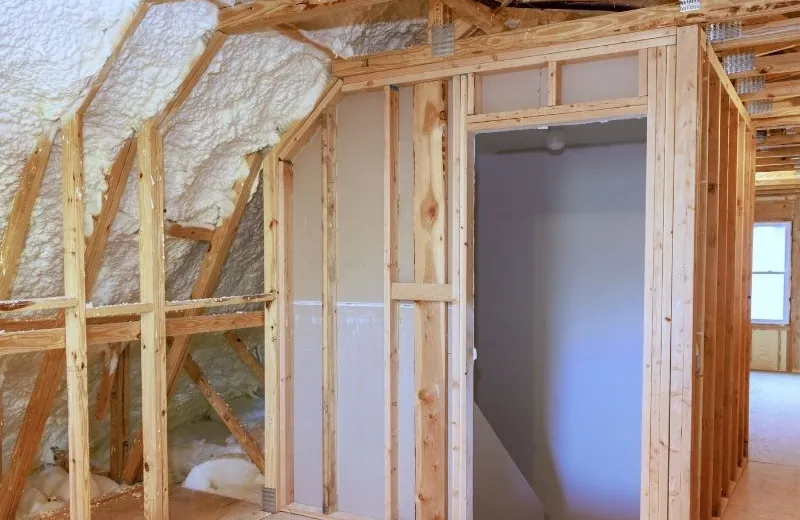
We apply open- or closed-cell spray foam to rooflines, walls, rim joists and hard-to-reach cavities. Foam insulates and air-seals in one step, which cuts both heat gain and dust or smoke infiltration.
Our approachBefore spraying, we mask and protect the living areas, set ventilation, and check the substrate. We spray to a specified thickness and verify coverage, then clean up. For roofline encapsulation, we look at the HVAC and ventilation as part of the plan.
In Azusa, CASpray foam fits Azusa homes with ducts in the attic. Encapsulating the roof deck brings those ducts into conditioned space, so they're no longer sitting in 140°F air. It also seals the leaks that let Santa Ana dust and wildfire smoke into foothill homes.
Best for: Homes with attic ductwork, Rosedale bonus rooms, ADUs, homeowners with allergies or smoke concerns, and spaces too tight for batts. It's also a good choice if you want the best air seal available.
Blown-In Insulation
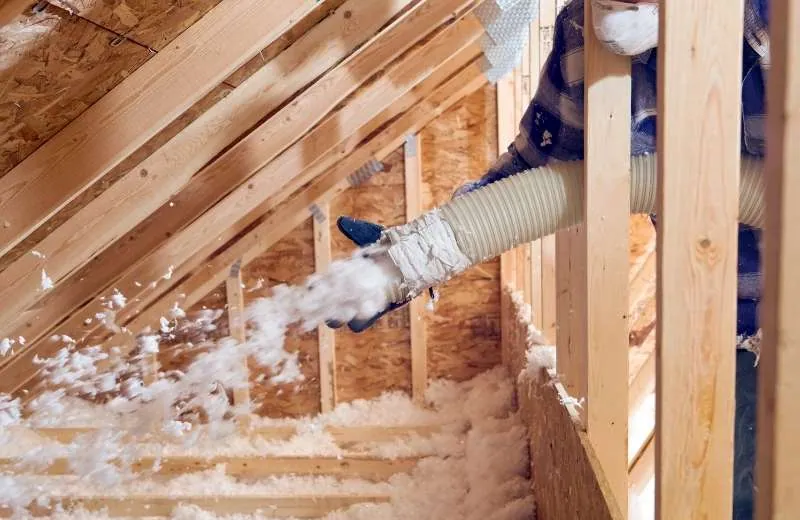
We install loose-fill fiberglass or cellulose in attics and dense-pack it into closed wall cavities. It fills irregular spaces, gaps around wiring and low-clearance corners that batts can't reach.
Our approachWe use a truck- or trailer-mounted blowing machine with measured coverage per square foot. For wall drill-and-fill, small holes are drilled, the cavity is dense-packed, and the holes are patched so the surface stays intact.
In Azusa, CABlown-in is the standard for Azusa's shallow ranch-home attics, where you can't stand up to lay batts. Drill-and-fill dense-pack works well for Old Town Craftsman homes, adding wall insulation without changing their historic exterior.
Best for: Budget-conscious attic top-offs, low-clearance attics, older homes with empty walls, and landlords near APU and Citrus College who want a strong return quickly.
Insulation Installation
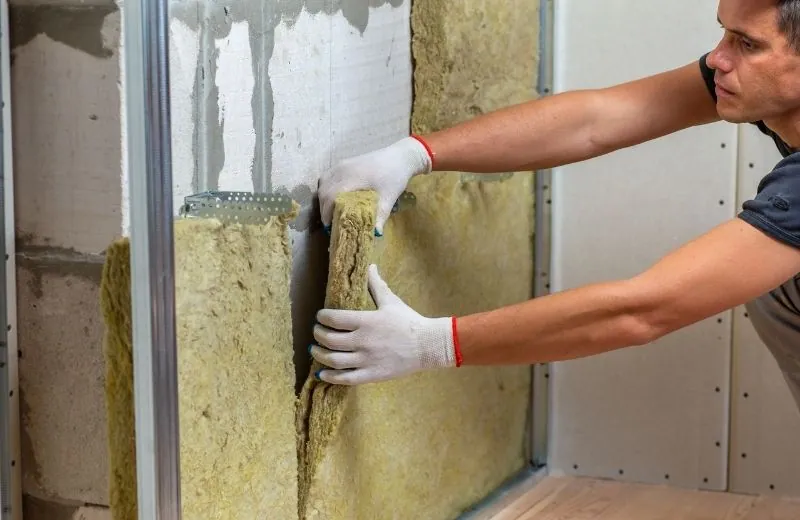
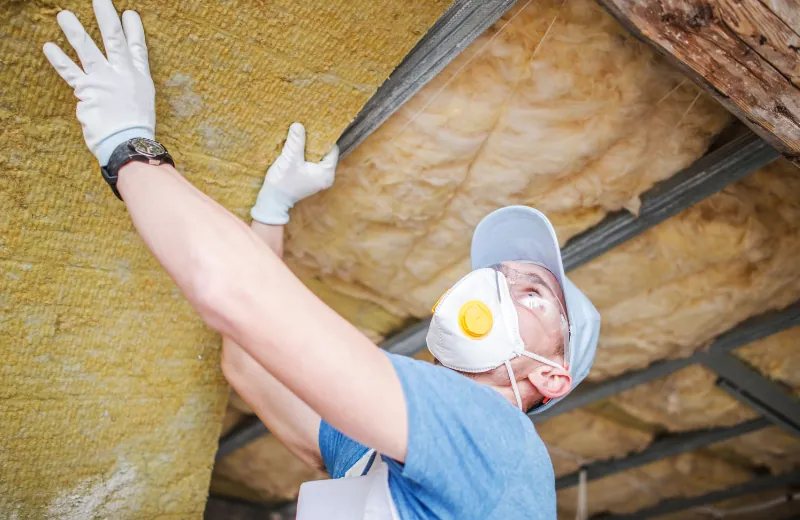
We handle general insulation installation for walls, ceilings, garage ceilings, floors and new framing. We select batts, rolls, blown material or foam to meet Title 24 and your comfort goals.
Our approachWe fit batts to the cavity without compressing them, keep the vapor and air barriers continuous, and leave clearance around heat sources. Every installation is documented with R-values so you have proof for permits, inspectors or a future buyer.
In Azusa, CAGarage conversions and ADUs are common in Azusa because of housing demand, and they need Title 24-compliant insulation. We work alongside your builder or permit process. We also insulate walls next to the I-210 and rail lines to cut noise.
Best for: ADUs, garage conversions, remodels, additions, sound control near freeways and rail lines, and any open framing that needs proper insulation before drywall goes up.
Crawl Space Insulation
We insulate the underfloor areas of raised-foundation homes. That means sealing gaps, installing floor insulation between joists, and addressing ground moisture, so cold winter floors and summer heat transfer go away.
Our approachWe inspect for moisture, pests and damaged material first. Then we fit and secure underfloor batts or rigid board, seal penetrations, and recommend a ground vapor barrier where it's needed. We work around plumbing and wiring with care.
In Azusa, CAMost Azusa homes sit on slabs, but the Craftsman bungalows and Spanish Revival cottages near Downtown often have short raised wood floors with nothing underneath. Those floors feel cold on 40°F winter nights.
Best for: Owners of 1910s–1940s homes in Old Town and Downtown Azusa with raised floors, cold-floor complaints, or rodent activity under the house.
Insulation Removal
We remove old, damaged, wet or rodent-contaminated insulation using commercial vacuum equipment, then sanitize the attic and seal rodent entry points so the space is clean before new insulation goes in.
Our approachContaminated material is bagged and contained inside the attic, and we vacuum it out through sealed hoses to a collection unit outside. Then we sanitize and deodorize. Suspect vermiculite gets tested before any removal begins.
In Azusa, CARoof rats are common along Azusa's foothills and wash corridors, so removal is one of our most frequent jobs. We follow SCAQMD and Cal/OSHA rules when older material may contain asbestos.
Best for: Attics with droppings, odors or urine staining, insulation soaked by roof leaks, smoke-damaged material, and homeowners getting ready for a full replacement.
Insulation Replacement
This is a complete swap from start to finish. We remove the old insulation, sanitize, rodent-proof, air-seal and install new insulation to current recommended levels, all in one coordinated project.
Our approachWe combine our removal, sealing and installation steps on one schedule with one crew. You get before, during and after photos showing the R-value gained and the work behind the drywall that you'd never see otherwise.
In Azusa, CAIt's the right fix for 1950s–60s Azusa ranch homes where the original batts are flattened, contaminated and leaky all at once. Topping off would just bury the problem.
Best for: Homes with rodent history, failing original insulation, or a planned HVAC or roof replacement. It also suits buyers who just closed on an older Azusa home and want a clean start.
How Your Insulation Project Works
We keep the process simple. You'll know what we found, what we recommend and why, what it costs, and when we'll be done. You'll get photos at every stage.
Free Consultation & Attic Inspection
- Walk-through to hear your comfort and bill concerns
- Attic, wall and crawl space inspection where accessible
- Insulation depth, R-value and contamination check
- Photos of air leaks, ducts and rodent activity
Local note: In summer, we try to inspect attics in the morning, since an Azusa attic can pass 140°F by afternoon.
Clear Written Recommendation
- Itemized estimate with target R-values
- Options from basic top-off to full replacement
- Notes on permits, Title 24 or fire-zone requirements
- Financing options explained
Local note: If you're also replacing HVAC, we point out the City of Azusa permit and HERS verification steps that may apply.
Preparation & Protection
- Floor runners and drop cloths along the work path
- Attic hatch area sealed off from living space
- Equipment staged outside to keep the noise and dust out
- Testing arranged first if suspect material was found
Removal, Sealing & Installation
- Remove and sanitize contaminated insulation if needed
- Seal rodent entry points and air leaks
- Install baffles, then insulation to the measured depth
- Spray foam or wall dense-pack where specified
Local note: In tight, low-pitched tract attics, we blow from the hatch where possible so the existing material isn't crushed.
Final Walkthrough & Documentation
- Before-and-after photo review with you
- Depth markers and installed R-values confirmed
- Cleanup of all work areas
- Paperwork for permits, rebate applications or your records
Local note: Rebate programs from SCE, SoCalGas and Azusa Light & Water change over time. We'll help you check which ones are currently available.
Why Azusa Homeowners Choose Clear Choice Attic Insulation
We've Worked in Local Attics Since 2005
We've been insulating San Gabriel Valley homes since 2005, so very little in an Azusa attic surprises us. That includes shallow tract-home attics around Arrow Hwy, board-sheathed Craftsman roofs near Foothill Blvd, and hot bonus rooms in Rosedale. We know which neighborhoods have rodent trouble, where the canyon winds push dust in, and which homes likely still have their original 1950s batts. That background lets us diagnose the real problem quickly, so you're not paying for guesswork or for fixes that miss what's actually wrong with your house.
Bonded and Insured
Our crew works in tight attics, around wiring and above your ceilings, and we carry the coverage that goes with that kind of work. Clear Choice Attic Insulation is bonded and insured, so you're protected if something unexpected happens on the job. Many Azusa homeowners have dealt with uninsured handymen or out-of-area crews before, and protection is one of the first things they ask us about. We're glad to provide proof of coverage before any work starts, whether you own the home, manage a rental near APU, or are handling a parent's house.
Attic Insulation Is What We Do
Insulation isn't a side job for us. It's the whole business, and our name says so. We focus on insulation installation, spray foam and attic insulation, and we also handle the related work: removal, rodent cleanup, air sealing, crawl spaces and wall dense-pack. That focus lets us choose the right material for the right space. Blown-in works in a shallow ranch attic, spray foam suits an attic with ducts, and dense-pack fits a historic bungalow. Generalists often default to whatever they have on the truck.
Before-and-After Proof, Not Upsells
Many homeowners have been burned by contractors who only upsell, and we understand why they're wary. Every inspection includes photos of what we actually found, along with measured depths and current R-values. Every finished job includes after photos and depth markers so you can confirm the result yourself. If a simple top-off will do the job, we'll tell you that. If your insulation is contaminated or failing, we'll show you the evidence. The photos make the decision for you.
Transparent Pricing and Financing
Your written estimate is itemized: removal, sanitizing, air sealing, material and R-value each have their own line. That way you can compare options side by side and choose what fits your budget. We know many Azusa households want lower utility bills without a big upfront cost, so financing is available. We'll also help you check which current SCE, SoCalGas or Azusa Light & Water programs might apply, without promising rebates that may have changed.
Respect for Your Home and Your Time
We protect your floors and furniture, and we seal off the attic hatch area. Our equipment stays outside, so the dust and noise mostly stay out of your house. Most attic projects are finished in a single day. That matters to multigenerational households, retirees and tenants who can't be displaced for long. We show up when we say we will, explain what we're doing, and leave the place clean. Our crew communicates clearly from the first call to the final walkthrough.
Local Coverage Across a 20-Mile Radius
We're based in Azusa and serve homes within roughly 20 miles. That covers Rosedale, Mountain Cove and the foothills, plus Glendora, Covina, Irwindale, Duarte and Charter Oak. Being close means quicker scheduling for inspections and follow-ups. It also means we know the local building division, the Title 24 requirements for Climate Zone 9, and the fire-zone rules that apply to foothill properties.
Trusted by Azusa Homeowners Since 2005
Homeowners across Azusa tell us they hire us again and recommend us because we communicate clearly, show our work with photos, and stand behind every job, from a quick attic top-off to a full replacement.
Bonded • Insured • Financing available
Areas We Serve In and Around Azusa
Clear Choice Attic Insulation works throughout Azusa and in nearby San Gabriel Valley communities. Each area has its own mix of housing ages, heat exposure and pest pressure, and we plan every job around the area as well as the house.
Central & Historic Azusa
Foothills & Newer Communities
Neighboring Cities
Not sure if we cover your area? Call (626) 513-4046.
How Much Does Insulation Cost in Azusa?
Insulation pricing depends on your home's size, what's already in the attic, and the material you choose. The ranges below reflect typical San Gabriel Valley projects. After your free inspection, you'll get an exact, itemized quote.
Condition of Existing Insulation Primary Factor
If your current insulation is clean and simply thin, a top-off is the least expensive route. If roof rats have contaminated it, as often happens along Azusa's foothills and wash corridors, it has to be removed, the attic sanitized and the entry points sealed before new material goes in. That can roughly double the project cost. Suspect vermiculite adds testing and possibly licensed abatement on top of that.
Square Footage and Attic Access Primary Factor
Cost scales with the area being insulated. A 1,200 sq ft ranch home costs much less than a 2,600 sq ft Rosedale two-story. Access matters too. Shallow, low-pitched attics in 1950s–60s tract homes take more careful labor, and multiple attic sections or blocked hatches add time. A crawl space or wall dense-pack is priced separately from the attic.
Material Choice Primary Factor
Blown-in fiberglass and cellulose cost the least per R-value and work well in most Azusa attics. Batts are fine for open framing. Spray foam costs much more, often three to four times as much as blown-in, but it air-seals while it insulates and can bring hot attic ducts into conditioned space. For some homes, that payoff justifies the price.
Air Sealing and Add-Ons Secondary Factor
Sealing the top plates, can lights and penetrations adds a modest cost and makes a big difference against Santa Ana dust and wildfire smoke. Other optional add-ons include vent baffles, radiant barriers, attic hatch insulation, duct re-wrapping and rodent-proofing screens. Each one adds a few hundred to a couple thousand dollars, depending on how much is needed.
Permits and Code Requirements Secondary Factor
A simple attic top-off usually doesn't need a permit. Work tied to HVAC replacement, reroofing, ADUs or garage conversions can involve City of Azusa permits, Title 24 compliance and HERS verification. Foothill homes in fire-hazard zones may need ember-resistant vents. These requirements add some cost, and we'll flag them up front.
| Typical project | Details | Estimated range |
|---|---|---|
| Attic top-off for a single-story ranch | 1,400 sq ft 1950s home in Southwest Azusa; air sealing plus blown-in fiberglass to about R-38 | $2,000 – $3,800 |
| Rodent-contaminated attic replacement | 1,500 sq ft Northside home; vacuum removal, sanitizing, rodent-proofing, new blown-in to about R-38 | $4,500 – $8,500 |
| Spray foam roofline encapsulation | 1,600 sq ft attic with ductwork; open-cell foam on roof deck and gable walls | $7,500 – $15,000 |
| Garage conversion / ADU insulation | 400–500 sq ft conversion; walls, ceiling and air sealing to meet Title 24 | $2,500 – $6,500 |
Financing is available, so you can spread the cost of your project into manageable payments. Ask about options during your free consultation. In Climate Zone 9, cooling drives most of a home's energy use, so better insulation and air sealing can noticeably lower summer bills. They also make the AC run less, help it last longer, and make hot rooms comfortable again.
Recent insulation Projects in Azusa, CA
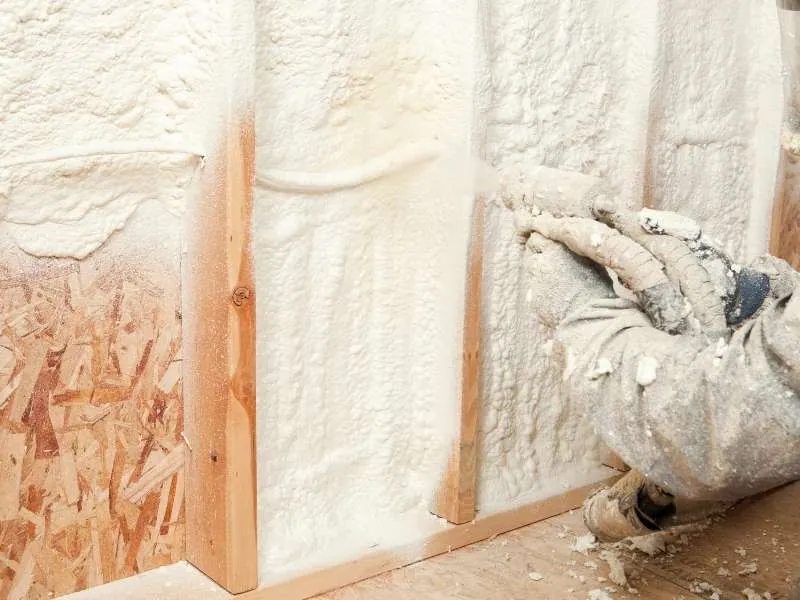
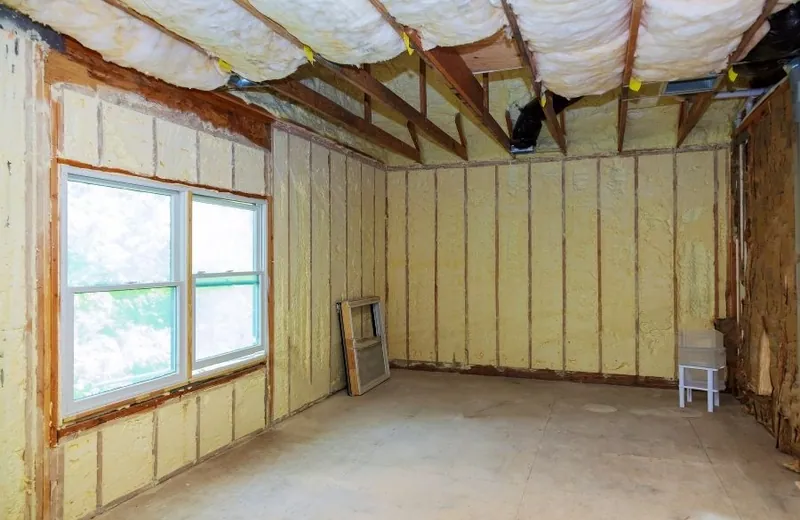
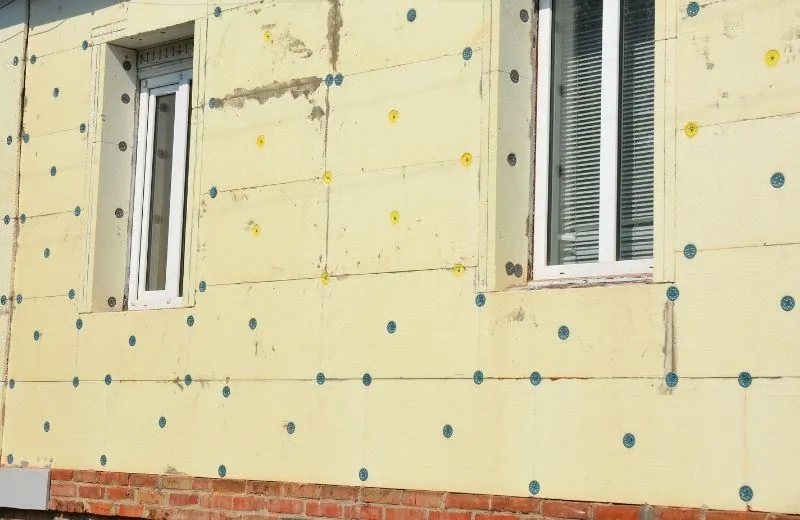
Insulation FAQs for Azusa Homeowners
How much does attic insulation cost in Azusa?
Most Azusa attic top-offs with air sealing run about $2,000–$3,800 for a typical 1,200–1,600 sq ft single-story home. If the old insulation is rodent-contaminated and has to be removed, sanitized and replaced, expect roughly $4,500–$8,500. Spray foam encapsulation of the roofline usually costs $7,500–$15,000 or more. Your price depends on square footage, attic access, the condition of the existing material, and the R-value you're aiming for. We give a free inspection and an itemized written quote, and financing is available.
How long does an insulation project take?
Most blown-in attic top-offs are finished in a single day, often in four to six hours. Full removal and replacement, including sanitizing and rodent-proofing, usually takes one to three days depending on the attic's size and how much contamination there is. Spray foam projects generally take one to two days plus a short curing and ventilation period before you go back into the treated area. Wall dense-pack for an older bungalow is typically a one- or two-day job. We'll give you a specific timeline with your estimate.
Do I need a permit for insulation work in Azusa?
A simple attic insulation top-off usually doesn't need a permit. Permits through the City of Azusa Building Division often come into play when insulation is part of a bigger project, such as an HVAC replacement, reroof, addition, garage conversion or ADU. Those projects fall under California's Title 24 Energy Code, which can include attic insulation minimums and HERS duct-leakage verification. Foothill homes in Very High Fire Hazard Severity Zones may also have Chapter 7A requirements for vents and materials. We'll tell you what applies before work starts.
How do I know if my attic insulation needs replacing?
Pop your head into the attic hatch with a flashlight. If you can see the tops of the ceiling joists, you almost certainly need more insulation. Other warning signs include droppings, tunnels or an ammonia smell from rodents, plus gray dust lines, water stains, and insulation that looks flat or patchy. Inside the house, look for high summer bills, ceilings that feel warm, and back bedrooms that never cool. In Azusa, many 1950s–60s homes still have their original R-11 batts, and those almost always need an upgrade.
What's the best time of year to insulate in Azusa?
Spring and fall are ideal, because attic temperatures are reasonable and the work is done before the next heat season or cool season. But if your AC is struggling in July, there's no need to wait. We schedule summer work for early mornings, before the attic heats past 140°F. If you've found rodent contamination, a roof leak or suspect vermiculite, act now. Those problems get worse with time and can affect your family's health.
Is spray foam or blown-in insulation better for my home?
It depends on the house. Blown-in fiberglass or cellulose is the most cost-effective choice for most Azusa ranch-home attics. It fills shallow spaces well and reaches R-38 affordably. Spray foam costs more, but it air-seals and insulates at the same time. It's especially valuable when your ductwork runs through a hot attic, when dust or wildfire smoke infiltration is a concern, or when you're insulating a Rosedale bonus room or an ADU. We'll show you both options with real numbers.
How can I prevent rodents from getting back into my attic?
Prevention starts with sealing the ways in. During removal and replacement projects, we close gaps at the eaves, repair or replace damaged vent screens, and seal roof and plumbing penetrations. On your side, trim tree branches at least a few feet back from the roofline, keep fallen fruit picked up, and store pet food and birdseed securely. That matters most near Azusa's foothills and wash corridors, where roof rats are common. Check the attic once or twice a year so you catch any new activity early.
Can you add insulation to the walls of an older home without tearing them out?
Yes. For Old Town and Downtown Azusa homes with empty wall cavities, we use a drill-and-fill method. We drill small holes, dense-pack blown-in insulation into each cavity, and then patch the holes. The original plaster and stucco stay in place, and the outside of the house looks the same. That helps with any design review concerns for historic properties. Wall insulation can noticeably cool west-facing rooms on hot afternoons, and it reduces outside noise from traffic or nearby rail lines.
Serving Azusa, CA & Nearby
Schedule Your Free Azusa Insulation Inspection
Don't spend another summer paying to cool a hot attic. Let us show you exactly what's above your ceiling, what it's costing you, and the simplest way to fix it.
- ✓Free in-home consultation and attic inspection
- ✓Photos of your current insulation, air leaks and any rodent activity
- ✓An itemized written estimate with target R-values
- ✓Honest options, from a simple top-off to full replacement
- ✓A bonded and insured crew that respects your home
- ✓Financing available to fit your budget
- ✓Before-and-after documentation when the job is done
⚡ If you've found rodent contamination, roof-leak damage or possible vermiculite in your attic, call us right away and avoid disturbing the material until it's been inspected.
Bonded • Insured